
Transform Your Health: Expert Nutrition Guidance for Women
Discover science-backed eating strategies designed specifically for women's unique nutritional needs. From hormonal balance to sustained energy, learn how personalized nutrition can reshape your wellness journey.
The information on this site is for educational purposes only and does not constitute medical advice. Always consult a qualified healthcare professional before making health decisions.
Why Personalized Nutrition Matters for Women's Wellness
Women's nutritional needs differ significantly across different life stages—from adolescence through menopause. Hormonal fluctuations, bone health priorities, and specific micronutrient requirements demand a tailored approach to eating that generic nutrition advice simply cannot address.
When you understand how your body responds to different macronutrient ratios, meal timing, and nutrient-dense foods, you gain control over your energy levels, mental clarity, and long-term wellness. This is not about restrictive dieting—it's about informed, sustainable choices that honor your individual biology.
- Hormonal Balance: Nutrient timing that supports estrogen, progesterone, and thyroid function throughout your cycle.
- Bone & Joint Health: Strategic calcium, magnesium, and vitamin D intake to maintain structural integrity.
- Mental Clarity & Mood: Nutrient combinations that support neurotransmitter production and cognitive function.
- Sustainable Energy: Balanced macros that prevent energy crashes and support active lifestyles.
Key Principles of Healthy Eating for Women
Nutrient Density Over Calories
Focus on foods rich in vitamins, minerals, and antioxidants rather than empty calorie counting. Whole grains, colorful vegetables, lean proteins, and healthy fats should form the foundation of every meal. This approach naturally supports weight management while nourishing your body at the cellular level.
- Dark leafy greens: iron, calcium, folate
- Berries: anthocyanins, antioxidants
- Legumes: protein, fiber, B vitamins
Healthy Fats Are Essential
Women's bodies thrive on adequate fat intake—it's crucial for hormone production, brain function, and nutrient absorption. Omega-3 fatty acids, monounsaturated fats, and plant-based options support cardiovascular health and reduce inflammation throughout the body.
- Fatty fish: EPA and DHA omega-3s
- Nuts and seeds: vitamin E, lignans
- Avocado and olive oil: monounsaturated
Protein at Every Meal
Adequate protein intake stabilizes blood sugar, supports muscle maintenance, and increases satiety between meals. Women should distribute protein evenly throughout the day rather than concentrating it at dinner. This steady approach supports recovery from exercise and sustains energy.
- Poultry and lean meat: complete amino acids
- Plant proteins: variety for all nutrients
- Greek yogurt and eggs: protein + probiotics
Hydration & Electrolyte Balance
Water intake needs vary with activity level, climate, and individual metabolism. Beyond plain water, electrolytes like sodium, potassium, and magnesium are essential for muscle function, nerve signaling, and hormone balance. Proper hydration enhances cognitive performance and exercise recovery.
- Herbal teas: hydration with added benefits
- Coconut water: natural electrolytes
- Whole foods with high water content
Meal Timing & Frequency
There's no one-size-fits-all eating schedule. Some women thrive on three larger meals; others prefer five smaller ones. The key is finding a rhythm that keeps energy stable and supports your lifestyle. Listen to hunger cues while being mindful of nutritional quality at each eating occasion.
- Pre-workout nutrition: fuel for performance
- Post-workout: recovery and adaptation
- Cycle syncing: adapt to hormonal phases
Mindful & Intuitive Eating
True nourishment comes from a conscious relationship with food. Eating slowly, without distractions, and honoring your body's signals builds sustainable habits. This approach reduces emotional eating, improves digestion, and increases enjoyment of meals—all while supporting your wellness goals naturally.
- Eliminate distractions during meals
- Recognize true hunger vs. emotional eating
- Savor flavor and food quality consciously
Your Personalized Eating Transformation: Step-by-Step
Assess Your Current Relationship with Food
Start by tracking what you eat for one week without judgment. Note not just foods, but also your energy levels, mood, and digestion. This baseline helps identify patterns—which foods energize you and which leave you sluggish. Understanding your individual responses is the foundation of personalization.
Define Your Nutritional Goals
Are you seeking better hormonal balance? Sustained energy for workouts? Clearer skin and mental focus? Each goal may require different macro and micronutrient emphasis. Be specific about what wellness means to you, not what magazines or social media suggest. Your goals should reflect your unique life circumstances and priorities.
Implement One Change at a Time
Instead of overhauling your diet overnight, introduce one healthy habit every two weeks. Perhaps add a vegetable to lunch, then increase water intake, then adjust meal timing. This gradual approach prevents overwhelm, allows your body to adapt, and helps you identify which changes have the most positive impact on how you feel.
Monitor Progress & Adjust Continuously
Every four to six weeks, assess how your changes are working. Use both objective measures—energy, sleep quality, workout performance—and subjective feelings. If something isn't working, adjust without frustration. Your nutrition plan is a living document that evolves as your life, goals, and understanding of your body deepen.

Quick Start Checklist
- Stock your kitchen with whole foods you enjoy
- Plan three meals and two snacks for the week
- Invest in simple meal prep containers
- Keep a journal to track energy and digestion
- Find recipes that excite you and are achievable
- Review and celebrate wins, no matter how small
Delicious & Nutritious Recipe Collection
Explore nutrient-dense recipes designed to support women's wellness at every life stage.
Hormone-Balancing Buddha Bowl
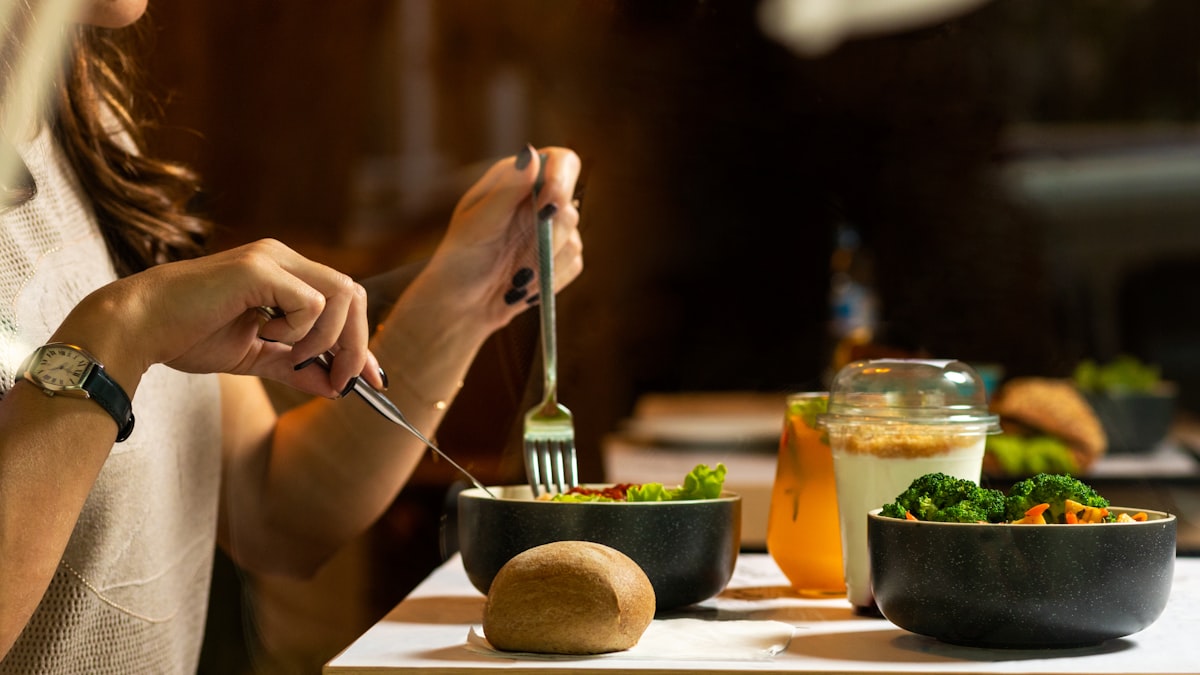
Quinoa, roasted sweet potatoes, chickpeas, leafy greens, and tahini dressing. Rich in phytoestrogens and minerals that support hormonal equilibrium throughout your cycle.
Protein-Packed Breakfast Bowl
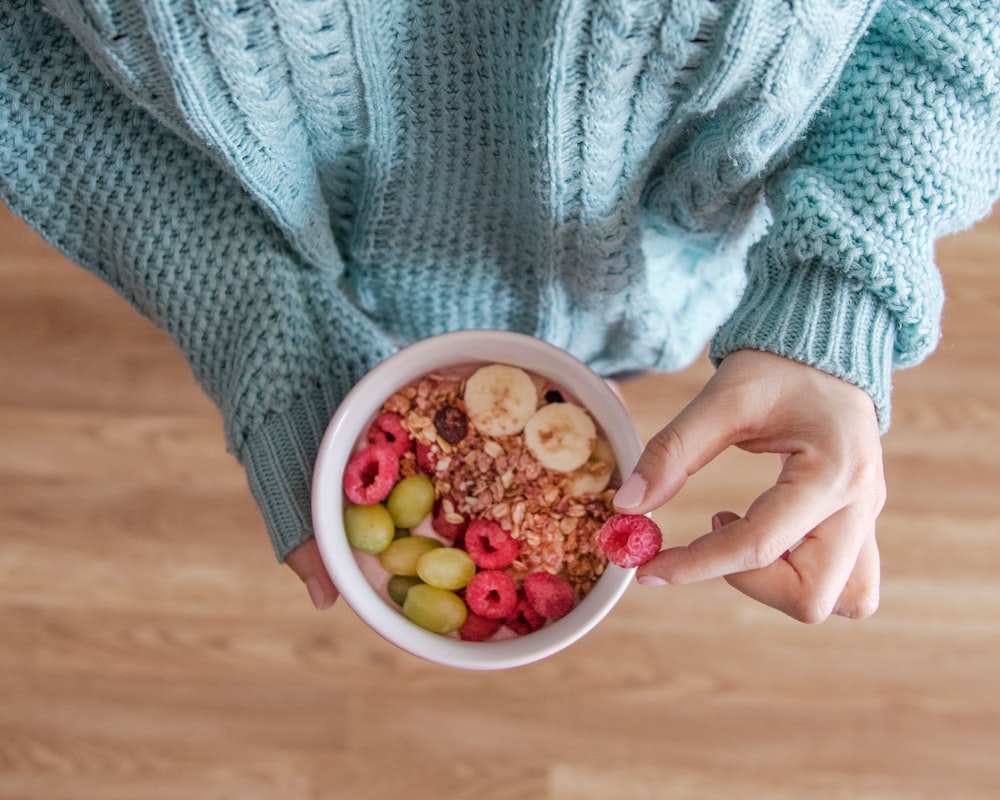
Greek yogurt layered with granola, fresh berries, raw almonds, and a drizzle of raw honey. Contains probiotics for gut health and sustained protein for stable morning energy.
Omega-3 Rich Salmon Dinner
Pan-seared salmon with roasted broccoli, brown rice, and olive oil lemon sauce. EPA and DHA support brain function, reduce inflammation, and enhance cardiovascular health.
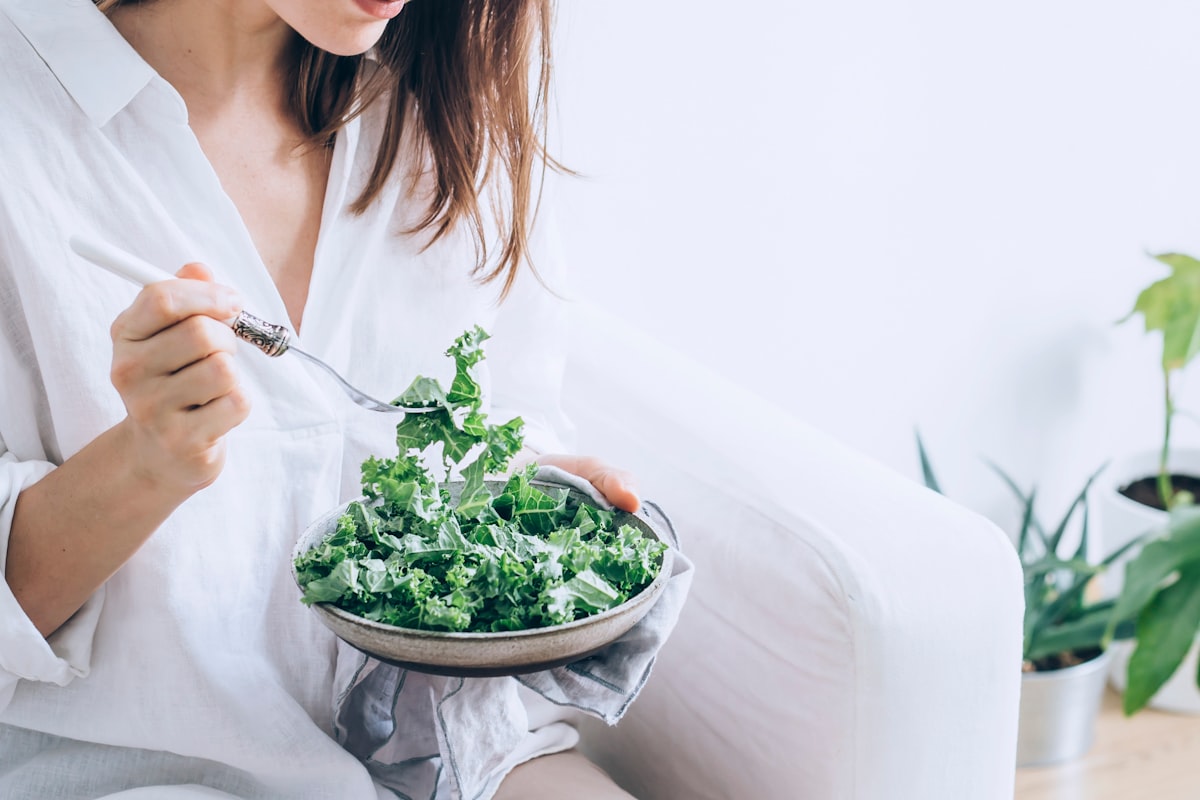
Iron-Boosting Green Smoothie
Fresh spinach, banana, almond butter, ground flax, and unsweetened almond milk. Designed to combat fatigue with bioavailable iron and B vitamins women often need more of.
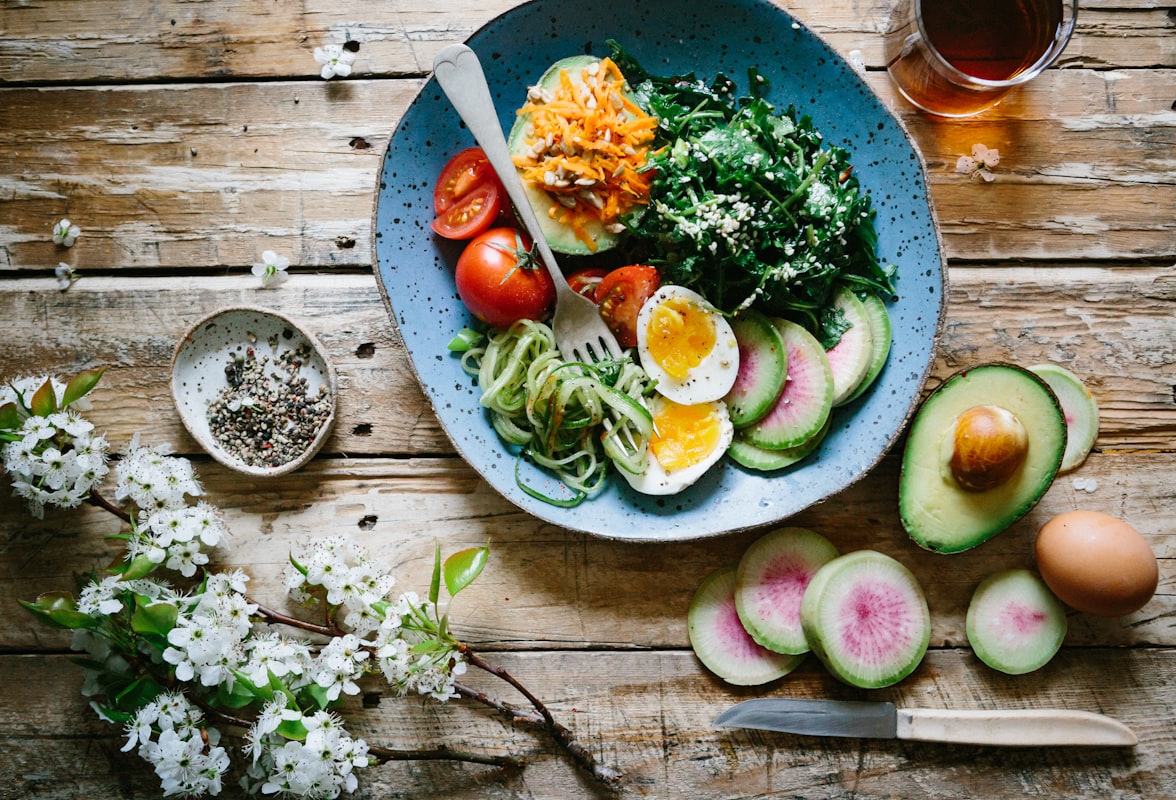
Antioxidant Veggie Stir-Fry
Tofu, bell peppers, carrots, snap peas, and ginger in a sesame-soy sauce over brown rice. Anti-inflammatory ingredients support joint health and provide sustained energy.

Energy-Dense Trail Mix
Raw almonds, pumpkin seeds, walnuts, unsweetened dried cranberries, and 70% dark chocolate chunks. Perfect pre-workout snack with healthy fats and natural sugars.
Stories of Real Women, Real Results
After years of restrictive dieting, learning about nutrient density changed everything. I stopped counting calories and started listening to my body. My energy is stable, my skin has never looked better, and I actually enjoy eating again. This approach feels sustainable because it's based on real nutrition, not trends.
Sophie, Nice
Marketing Professional, Age 31
I struggled with hormonal imbalances and terrible PMS symptoms. When I learned about eating for my cycle and including omega-3s and magnesium, my symptoms reduced significantly. It's incredible how much food impacts your hormonal health. I wish I'd known this sooner.
Martine, Lyon
Fitness Instructor, Age 28
As a busy mom, I thought healthy eating had to be complicated. The simple, evidence-based nutrition tips helped me fuel my body properly without spending hours in the kitchen. My workouts are stronger, I recover better, and my kids are learning by example what real food looks like.
Isabelle, Marseille
Entrepreneur & Mother of Two, Age 38
The personalized approach respects that every woman's body is different. Instead of following generic meal plans, I learned to understand my own body is different. Instead of following generic meal plans, I learned to understand my own nutritional needs. That's real empowerment.
Sophie, Lyon
Fitness Coach & Wellness Advocate, Age 34
I struggled with energy crashes and bloating for years. Within weeks of applying the nutrition principles, I felt stronger during workouts and my recovery improved dramatically. This program actually works.
Marie, Paris
Marketing Executive & Fitness Enthusiast, Age 41
Ready to Transform Your Fitness Journey?
Join hundreds of women who've reclaimed their health, energy, and confidence through science-backed nutrition.